

What if successful hotel marketing isn’t just about selling rooms, running promotions, or increasing bookings—but about creating meaningful connections with guests?
In today’s competitive hospitality industry, hotel marketing is often associated with digital advertising, social media campaigns, online travel agencies, and revenue-generating promotions.
While these tools are essential, effective marketing goes far beyond attracting reservations.
It’s about understanding guests, anticipating their needs, communicating with purpose, and building relationships that last beyond a single stay.
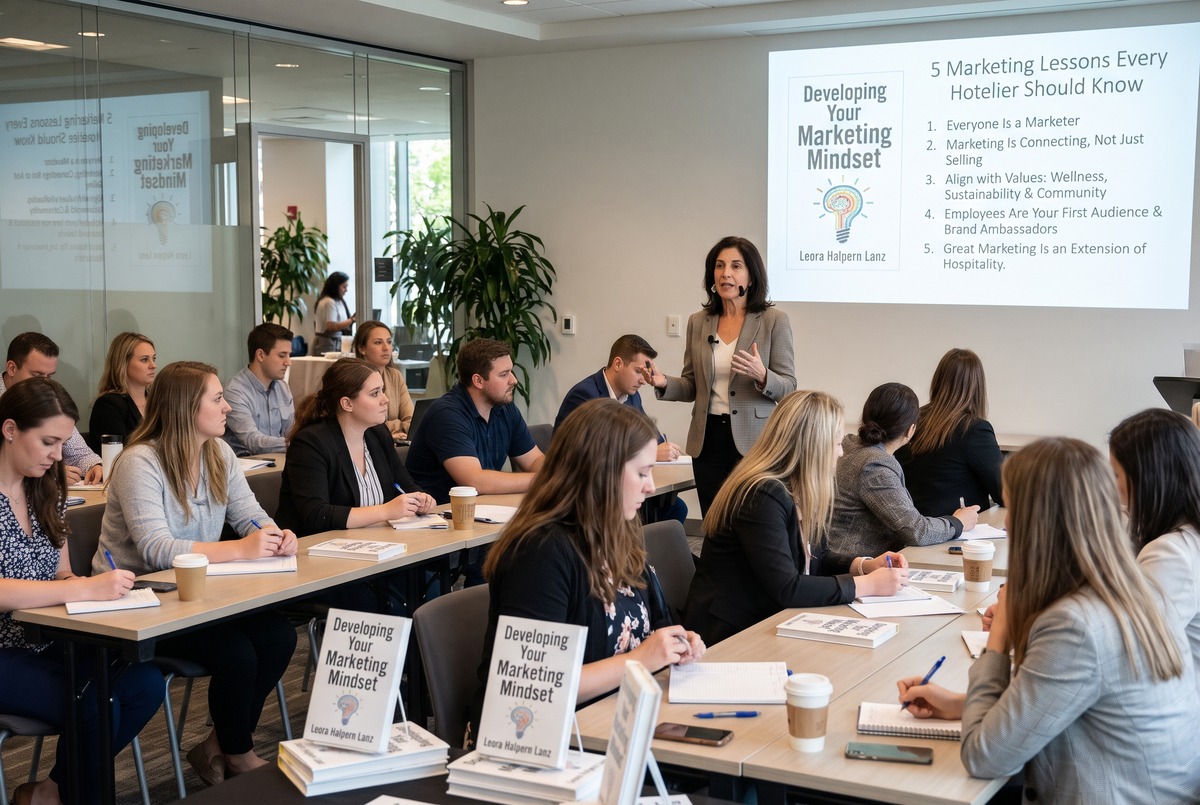
That’s the powerful message behind Developing Your Marketing Mindset: Real-World Lessons from Hospitality by Leora Halpern Lanz.
Drawing from decades of hospitality marketing experience and her work as a Boston University professor, Lanz challenges readers to rethink marketing as something more meaningful than simply promoting products and services.
Her book explores how empathy, personalization, community, wellness, and sustainability can strengthen brands and create lasting customer loyalty.
For hotel owners, general managers, sales and marketing professionals, and aspiring hospitality leaders, the message is clear:
Great hotel marketing isn’t just about getting guests to book. It’s about giving them a reason to connect, return, and recommend your property.
Developing Your Marketing Mindset: Real-World Lessons from Hospitality is a practical guide that explores how marketing principles can be applied across different professional roles and industries.
Written by Leora Halpern Lanz, an experienced hospitality marketing strategist and educator, the book encourages readers to think strategically and approach business relationships with greater purpose.
Rather than treating marketing as the exclusive responsibility of a sales or marketing department, Lanz presents it as a mindset that anyone can develop.
Through real-world examples and mini case studies, she examines how hospitality principles can help organizations build stronger connections with customers.
The book explores themes including:
The book was also recognized as a 2025 New England Book Festival winner in the Business Book category, according to its product listing.
For hotel professionals, these ideas offer an opportunity to rethink how marketing connects with daily operations, guest satisfaction, and brand reputation.
One of the book’s central messages is that a marketing mindset shouldn’t be limited to employees with marketing in their job titles.
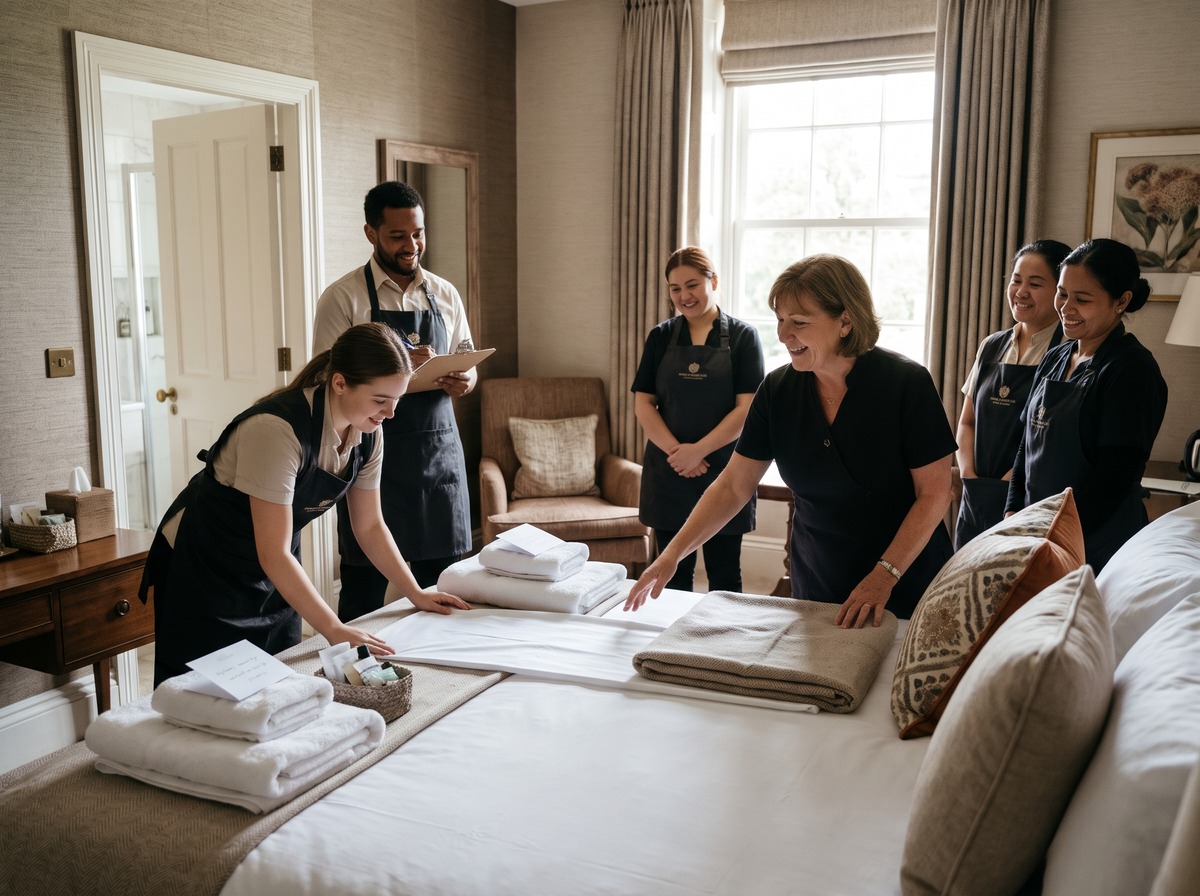
In hotels, every department contributes to how guests perceive the property.
The front desk creates first impressions.
Housekeeping influences comfort and cleanliness.
Food and beverage teams shape dining experiences.
Maintenance ensures that facilities meet expectations.
Sales and marketing teams communicate the hotel’s value to potential guests.
Each interaction contributes to the property’s overall reputation.
Imagine a hotel promoting itself as a relaxing luxury retreat.
Its website may feature beautiful photography, peaceful surroundings, and personalized service.
But if guests arrive to experience long check-in delays, poor communication, or inconsistent service, the marketing promise loses credibility.
Effective hotel marketing requires alignment between what the property promotes and what employees actually deliver.
Hotel marketing takeaway: Encourage every department to understand the hotel’s brand promise and how its daily responsibilities influence guest perceptions.
Successful marketing begins with understanding the people you’re trying to reach.
Hotels often promote their amenities, room categories, and special offers without fully considering what their target audience values.
But different travelers have different priorities.
Business travelers may appreciate reliable Wi-Fi, convenient meeting spaces, and efficient check-in.
Families may prioritize spacious accommodations, recreational activities, and convenient dining.
Couples planning romantic getaways may look for privacy, memorable experiences, and personalized service.
Lanz’s emphasis on anticipating customer needs encourages hospitality professionals to approach marketing from the guest’s perspective.
For example, instead of promoting a hotel room simply as spacious and comfortable, a property could explain how its accommodations support a relaxing family vacation or a productive business trip.
The difference is subtle but important.
One approach describes the product.
The other communicates the value of the experience.
Hotel marketing takeaway: Develop clear guest segments and create marketing messages that address their specific needs, interests, and travel motivations.
In an industry where travelers have countless accommodation options, personalized experiences can help hotels stand out.
Guests want to feel recognized rather than treated as reservation numbers.
Personalization can begin long before arrival.
Hotels can tailor pre-arrival messages, recommend relevant activities, and provide useful information based on guest interests.
For example, a beachfront resort might highlight snorkeling, sunset dining, or wellness activities to travelers interested in relaxation and outdoor experiences.
A business hotel could emphasize meeting facilities, transportation convenience, and productivity-focused amenities.
Personalization can also continue after the stay through relevant follow-up communication and carefully targeted offers.
However, effective personalization should always respect guest privacy, communication preferences, and applicable data-protection requirements.
Hotel marketing takeaway: Use guest insights responsibly to create relevant messages and experiences that make travelers feel understood and valued.
Travelers increasingly encounter polished advertisements, promotional emails, and social media campaigns competing for their attention.
But memorable hotel marketing doesn’t always require elaborate production or aggressive promotions.
Authentic storytelling can help properties communicate what makes them distinctive.
Lanz’s emphasis on community and meaningful connections provides a useful perspective for hotels looking to strengthen their brand identity.
For example, a boutique hotel might highlight local artists whose work is displayed throughout the property.
A resort could feature partnerships with local tour operators, cultural organizations, or small businesses.
A city hotel might share stories about its employees, neighborhood, and surrounding attractions.
These stories help potential guests understand the people and experiences behind the brand.
They can also create opportunities to support the local community.
Hotel marketing takeaway: Tell authentic stories about your property, employees, destination, and community partnerships instead of relying exclusively on promotional messages.
Modern hospitality marketing increasingly involves communicating what a property stands for, not just what it offers.
Wellness, sustainability, responsible operations, and community engagement can influence how guests perceive a hotel.
In Developing Your Marketing Mindset, Lanz explores how these themes can become part of a more intentional approach to marketing.
For example, a hotel might introduce initiatives to reduce unnecessary waste, support local suppliers, or provide wellness-focused guest experiences.
However, these initiatives should be genuine and supported by actual operational practices.
Simply describing a property as sustainable or community-focused without meaningful evidence can weaken trust.
Purpose-driven marketing works best when it reflects real commitments rather than promotional language alone.
Hotel marketing takeaway: Align marketing messages with authentic business practices and communicate your property’s values clearly, accurately, and consistently.
The principles behind Developing Your Marketing Mindset can be applied throughout the guest journey.
Here are several practical ways hotel professionals can begin thinking more strategically about marketing.
The guest experience begins before a traveler arrives at the property.
Hotels can strengthen pre-arrival communication by providing useful information about accommodations, transportation, dining, and available activities.
Rather than sending only promotional messages, focus on helping guests prepare for their stay.
The arrival experience should reflect the expectations created by the hotel’s marketing.
If your property promotes personalized hospitality, employees should demonstrate genuine attention and thoughtful communication.
If efficiency is a major selling point, check-in procedures should support a smooth arrival.
Positive guest experiences can become powerful marketing assets.
Encourage employees to recognize guest preferences, respond promptly to concerns, and provide thoughtful service.
When guests have memorable experiences, they may be more inclined to recommend the property to others.
Marketing shouldn’t end when guests leave.
Thoughtful follow-up communication, guest feedback requests, and relevant future offers can help maintain relationships.
The goal is to stay connected without overwhelming guests with unnecessary promotional messages.
Digital marketing plays an important role in hotel business development.
Search engine optimization, social media, paid advertising, email campaigns, and online travel agencies can all help properties reach potential guests.
However, marketing success shouldn’t be measured only by clicks, impressions, and advertising reach.
Hotels must also consider whether their marketing attracts the right guests, communicates accurate expectations, and supports long-term business objectives.
A campaign might generate significant website traffic but produce relatively few bookings.
Another campaign may reach a smaller audience but attract travelers who are more likely to book directly and return in the future.
This is why hotel marketers should evaluate performance through meaningful business indicators, including:
These metrics help connect marketing activity to business outcomes.
At the same time, Lanz’s philosophy reminds readers that numbers alone don’t tell the entire story.
Successful hotel marketing combines measurable performance with meaningful human connections.
Independent hotels often compete against international brands with extensive advertising budgets, loyalty programs, and sophisticated marketing technology.
But smaller properties can develop competitive advantages through authenticity, flexibility, and personalized service.
A boutique hotel might build its marketing around unique design, local culture, and individualized experiences.
A family-owned resort could emphasize its connection to the destination and the relationships it develops with returning guests.
An independent business hotel might focus on reliable service, convenient facilities, and a strong understanding of corporate travelers.
These strategies don’t necessarily require enormous marketing budgets.
They require a clear understanding of the property’s identity and the guests it wants to serve.
By approaching marketing as a mindset rather than simply a department, independent hotels can create more consistent brand experiences across their operations.
The strongest hotel brands don’t just communicate what makes them different. They demonstrate it through every guest interaction.
Many hotel marketing books focus primarily on advertising strategies, digital platforms, and promotional techniques.
While these subjects are valuable, Developing Your Marketing Mindset takes a broader approach.
It encourages readers to understand marketing as a way of thinking, communicating, and building relationships.
The book is especially relevant for:
Whether you manage a luxury resort, boutique hotel, business property, or international hotel brand, the book offers perspectives that can strengthen how you approach marketing.
For hospitality professionals who want to think beyond traditional advertising and promotional campaigns, Developing Your Marketing Mindset is a worthwhile addition to their professional reading list.
Leora Halpern Lanz brings extensive industry and academic experience to her discussion of strategic marketing.
Through examples and mini case studies, the book encourages readers to think more intentionally about customer relationships, communication, and organizational purpose.
Its emphasis on empathy, personalization, wellness, sustainability, and community makes it particularly relevant for professionals interested in building meaningful brand connections.
While the book is not exclusively a technical guide to hotel digital marketing, its broader principles can complement practical skills in advertising, revenue management, social media, and guest engagement.
For hotel professionals, it offers an important reminder that effective marketing begins with understanding people.
The hospitality industry continues to evolve through technology, digital platforms, changing traveler expectations, and increasing competition.
Hotels have more ways than ever to reach potential guests.
But having more marketing channels doesn’t automatically create stronger relationships.
Developing Your Marketing Mindset: Real-World Lessons from Hospitality by Leora Halpern Lanz challenges hospitality professionals to rethink marketing as a meaningful part of the guest experience.
Through her emphasis on empathy, personalization, community, and purpose, Lanz encourages readers to look beyond promotional campaigns and consider the lasting impact of human connection.
For hotel owners, general managers, and marketing professionals, the lesson is clear:
Don’t just market your hotel. Create experiences, relationships, and stories that make guests want to be part of your brand.
Because the most successful hotel marketing strategies don’t simply attract attention.
They build trust, create value, and give guests meaningful reasons to return.
Discover how strategic thinking, authentic communication, and hospitality-centered marketing can transform the way your property connects with guests.
Whether you’re a hotel owner, general manager, marketing director, or aspiring hospitality professional, Developing Your Marketing Mindset by Leora Halpern Lanz offers valuable insights into building stronger brands and more meaningful customer relationships.
Explore Developing Your Marketing Mindset on Best Hotel Books
Great marketing isn’t just about selling more. It’s about understanding people, creating value, and building relationships that last.
We’d love to hear from you! Whether you have a question, feedback, or your own insights to add, drop a comment below. Let’s keep the conversation going and learn from each other’s experiences.