Great hotels are not built on pricing algorithms or distribution strategies alone — they are built by great leaders. From the general manager who sets the tone on the floor to the department head who turns a new hire into a lifelong hospitality professional, leadership is the invisible infrastructure behind every exceptional guest experience. Whether you are stepping into your first leadership role or looking to sharpen the instincts of a seasoned executive, these eight books belong on your nightstand.
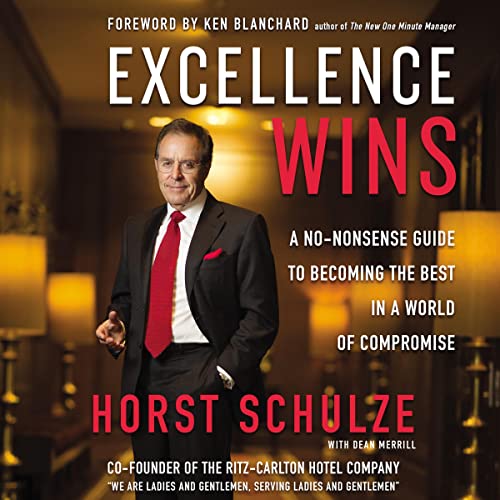
Horst Schulze co-founded the Ritz-Carlton Hotel Company and built one of the most admired service cultures in the history of hospitality. Excellence Wins is his direct, uncompromising guide to the leadership philosophy that made it possible — and it does not pull punches.
The central argument is disarmingly simple: excellence is not the result of special circumstances or exceptional talent. It is the result of refusing to accept mediocrity as inevitable. Schulze argues that most organizations underperform not because their people lack potential, but because their leaders lack the conviction to demand and model true excellence every day. That conviction, this book argues, must start at the top.
Written with the clarity and directness of someone who has spent a career holding both himself and his organizations to an extraordinarily high standard, Excellence Wins is both inspiring and instructive. For any hotel leader who suspects their operation is capable of more — and wants the framework to get it there — this is the book to read first.
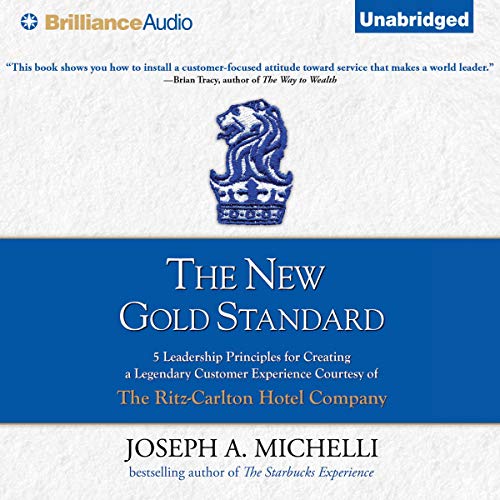
If there is one brand synonymous with elite hospitality leadership, it is the Ritz-Carlton. This book pulls back the curtain on exactly how the company built and sustains that reputation — not through luck, but through five meticulously designed leadership principles embedded into the culture at every level of the organization.
Author Joseph Michelli takes readers inside the Ritz-Carlton’s operational philosophy, revealing how their legendary service is not the result of individual heroics but of systematic leadership that empowers every employee to anticipate, solve, and delight. The “Gold Standards” explored here — from the credo to the motto to the three steps of service — are more than internal policies. They are a masterclass in how leadership translates vision into daily behavior at scale.
For General Managers, Directors of Operations, and owners who aspire to build a culture of consistent excellence, this is essential reading. The principles here are applicable far beyond the luxury segment — because the fundamentals of leading people to serve well are universal.
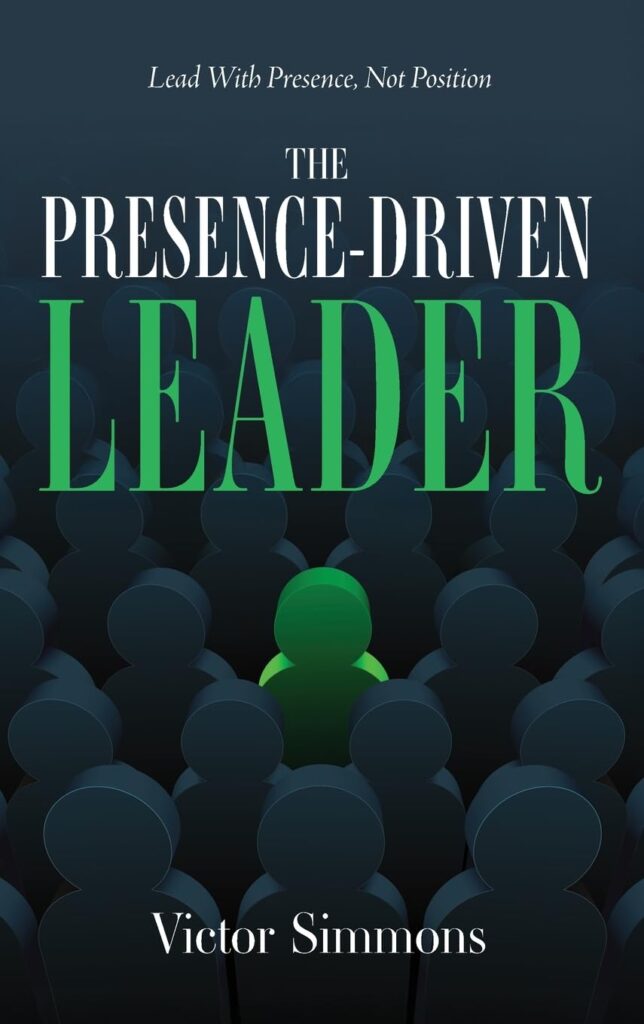
In an industry built on human connection, leaders who lead through their title alone will always be outperformed by leaders who lead through their presence. This book explores one of the most underrated dimensions of effective hospitality leadership: the ability to command rooms, build trust, and inspire action not through authority but through genuine, grounded presence.
The central insight is as simple as it is powerful — your team does not follow your job description, they follow your energy, your consistency, your visibility, and the way you make them feel when you are in the room. For hotel leaders operating across multi-department environments, often managing teams they see briefly and infrequently, presence is a strategic asset that can be intentionally developed.
Whether you are a Rooms Division Manager walking the floor, a Food & Beverage Director leading a pre-shift briefing, or a General Manager navigating a difficult ownership conversation, this book will reshape how you think about the intangible qualities that make certain leaders unforgettable — and teach you how to cultivate them deliberately.
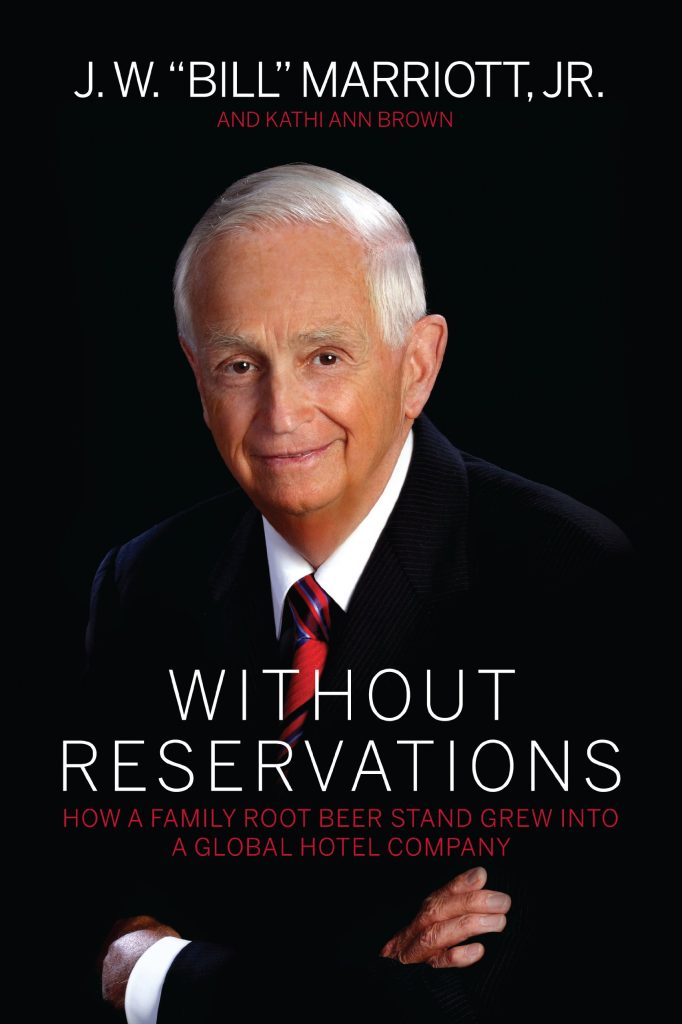
Every great hospitality empire begins somewhere — and few origin stories are as compelling as the Marriott family’s journey from a nine-stool root beer stand in Washington D.C. to one of the largest hotel companies in the world. This book traces that extraordinary arc, revealing the values, decisions, and leadership philosophy that transformed a small family business into a global institution.
What makes this essential leadership reading is not the scale of the achievement but the principles behind it. The Marriott story is fundamentally a story about servant leadership — about caring for people, employees and guests alike, as the primary strategy for building something enduring. The company’s legendary culture of employee-first thinking, the belief that if you take care of your people your people will take care of your guests, is not a modern HR innovation. It is a founding philosophy, and this book shows how it was built and maintained across decades of growth.
For hotel leaders who want to understand why culture is strategy, this book offers one of hospitality’s most powerful case studies.
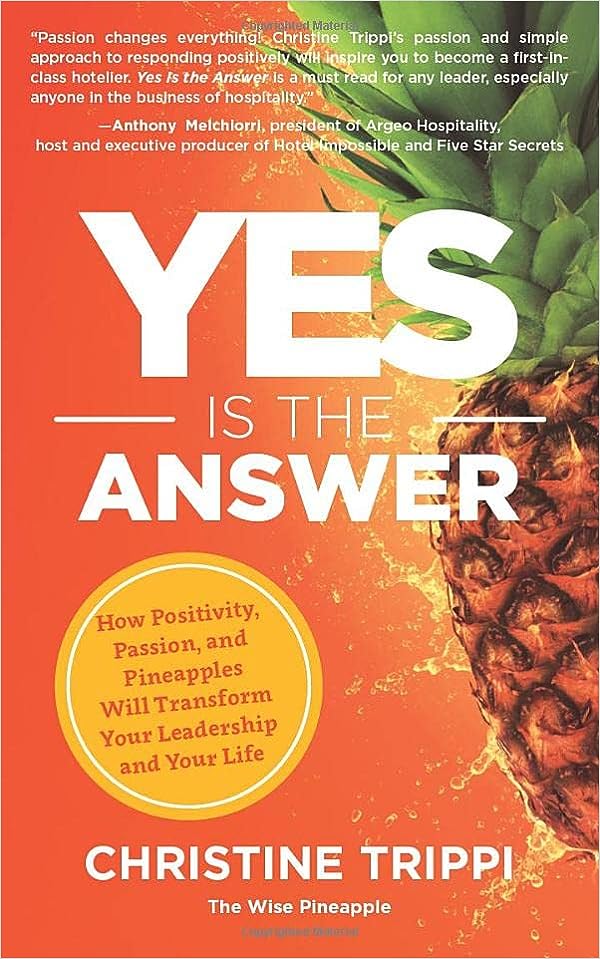
The hospitality industry runs on a simple premise: say yes. But saying yes as an organizational philosophy — one that starts with leaders and flows down through every guest interaction — requires a specific kind of mindset that this book sets out to build.
Energetic, practical, and deeply human, Yes Is the Answer challenges leaders to examine the internal culture they are creating before they worry about the external experience they are delivering. Positivity here is not a platitude; it is a leadership discipline that requires intentional daily practice, genuine passion for people, and the willingness to create environments where teams feel empowered to solve problems creatively rather than retreat to “no, that’s not our policy.”
This is the book to hand to a new supervisor or department head who needs to understand that hospitality leadership is less about authority and more about attitude. Accessible, motivating, and packed with memorable frameworks, it will leave any reader rethinking how they show up for their team every day.
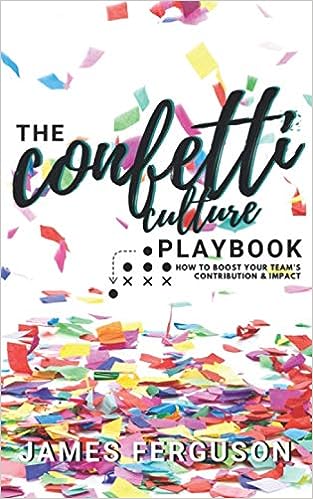
Engagement is the engine of hospitality performance — and too many hotel leaders treat it as an HR problem rather than a leadership responsibility. The Confetti Culture Playbook makes the case that building a team culture where people genuinely want to contribute is not an accident. It is the result of deliberate leadership choices, made consistently, over time.
The book is structured as a true playbook — actionable, specific, and built for leaders who need real tools rather than abstract inspiration. From recognition frameworks to contribution rituals to the signals leaders send without realizing it, each chapter delivers tactics that can be implemented immediately. The “confetti culture” concept at its core is about celebrating not just outcomes but the everyday efforts that drive them — a mindset shift that transforms how teams experience their work.
Ideal for hotel managers, HR leaders, and anyone responsible for building and retaining high-performing hospitality teams, this book is one of the most practically useful reads in the modern hospitality leadership canon.
The Heart of Great Hotel Leadership
Great hotel leadership is never accidental. It is built through intention, consistency, and a commitment to never settling for average — in yourself or in your team. The ideas behind these books serve as a reminder that leadership is not defined by title, but by the standards you set, the culture you create, and the experience you shape every single day. Invest in that, and everything else — performance, retention, and guest satisfaction — will follow.
We’d love to hear from you! Whether you have a question, feedback, or your own insights to add, drop a comment below. Let’s keep the conversation going and learn from each other’s experiences.